SPC vs porcelain tiles: which floor suits your home?
The short answer
SPC flooring is warmer, quieter and faster to install, which makes it ideal for bedrooms and living rooms. Porcelain tiles are harder-wearing and better for bathrooms, kitchens, entrances and outdoor areas. Many Kenyan homes use both — and whichever you choose, a level, dry subfloor matters most.
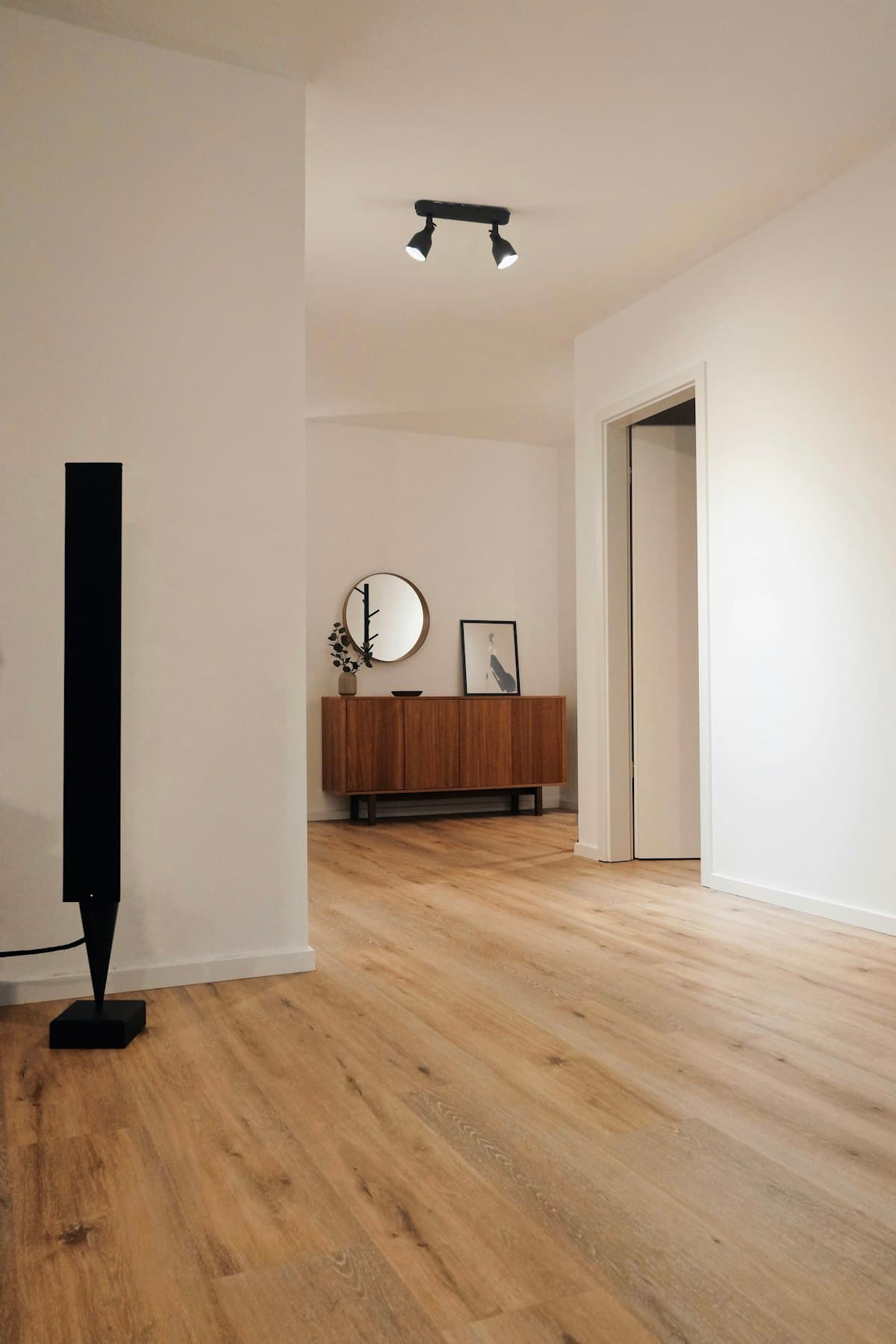
Choosing a floor is one of the biggest decisions in a build or renovation. It's the surface you touch every day, it's hard to change later, and it shapes how every room looks and feels. Two finishes come up again and again with our clients: SPC flooring and porcelain tiles. Here's how they compare.
What is SPC flooring?
SPC stands for stone plastic composite. It's a rigid plank made from a core of limestone powder and PVC, with a printed design layer (usually a wood look) and a clear wear layer on top. The planks click together and "float" over a level subfloor, with no adhesive needed.
What is porcelain tile?
Porcelain is a dense ceramic tile fired at very high temperatures. It absorbs very little water, resists scratches and wear, and comes in everything from marble and stone looks to concrete and wood effects — including large-format tiles that give a seamless, modern look.
How they compare
Comfort underfoot
SPC is warmer and slightly softer to walk on, and quieter — especially with an underlay. Porcelain is hard and cool, which many people love in warm weather but find less cosy in bedrooms.
Water resistance
Both handle spills well. Porcelain is the safer choice for bathrooms, showers, laundry areas and outdoors. SPC's core is waterproof, but standing water can still find its way through the joints to the subfloor, so it's best kept out of wet rooms.
Durability
Porcelain is extremely hard-wearing and can last for decades. SPC is tough enough for busy family homes, but it can be scratched by grit, dented by very heavy point loads, and it doesn't like long periods of strong direct sunlight, which can cause fading and movement. The upside: a damaged SPC plank can often be replaced on its own.
Installation
SPC is fast and clean to install — rooms can often be finished in a day and used straight away — and it can sometimes go over an existing level floor. Porcelain needs adhesive, careful setting out, grouting and time to cure, so it takes longer and more labour. Large-format tiles in particular need a skilled tiler and a very flat base.
Maintenance
SPC just needs sweeping and a damp mop. Porcelain is easy to clean too, but grout lines collect dirt over time and benefit from sealing and an occasional deep clean.
So which should you choose?
- Bedrooms and living rooms: SPC is a great choice for warmth, comfort and speed of installation.
- Kitchens: both work — porcelain for maximum durability, SPC for comfort if you spend hours on your feet.
- Bathrooms, laundry and outdoor areas: porcelain (with the right slip rating).
- Sunny rooms with big windows: porcelain, or use curtains or blinds to protect SPC.
- High-traffic entrances and commercial spaces: porcelain.
Many of our clients use both: porcelain in the wet areas, kitchen and entrance, and SPC in the bedrooms and living spaces.
Whatever you choose, prepare the base
The most common cause of floor problems isn't the material — it's the subfloor. Uneven screeds lead to clicking or lifting SPC planks and to cracked or hollow-sounding tiles. Make sure the floor is properly screeded, level and dry before anything is laid.
Not sure which floor is right for your home?
We'll look at your rooms, your budget and how you live, and recommend the right finish — then supply and install it.
Frequently asked questions
Is SPC flooring waterproof?
The SPC core is waterproof, so it handles spills well. Standing water can still seep through the joints to the subfloor, so SPC is not recommended for bathrooms or showers.
Which lasts longer, SPC or porcelain?
Porcelain is extremely hard-wearing and can last for decades. SPC is durable enough for family homes but can be scratched or dented — although individual planks can often be replaced.
Can SPC be installed over existing tiles?
Often, yes — if the existing floor is level, sound and dry. Uneven tiles or deep grout lines may need levelling first.